Colored Wedding Dresses: Why Brides Choose Ivory, Nude, and Even Unconventional Shades
The Evolution of Color in Bridal Fashion
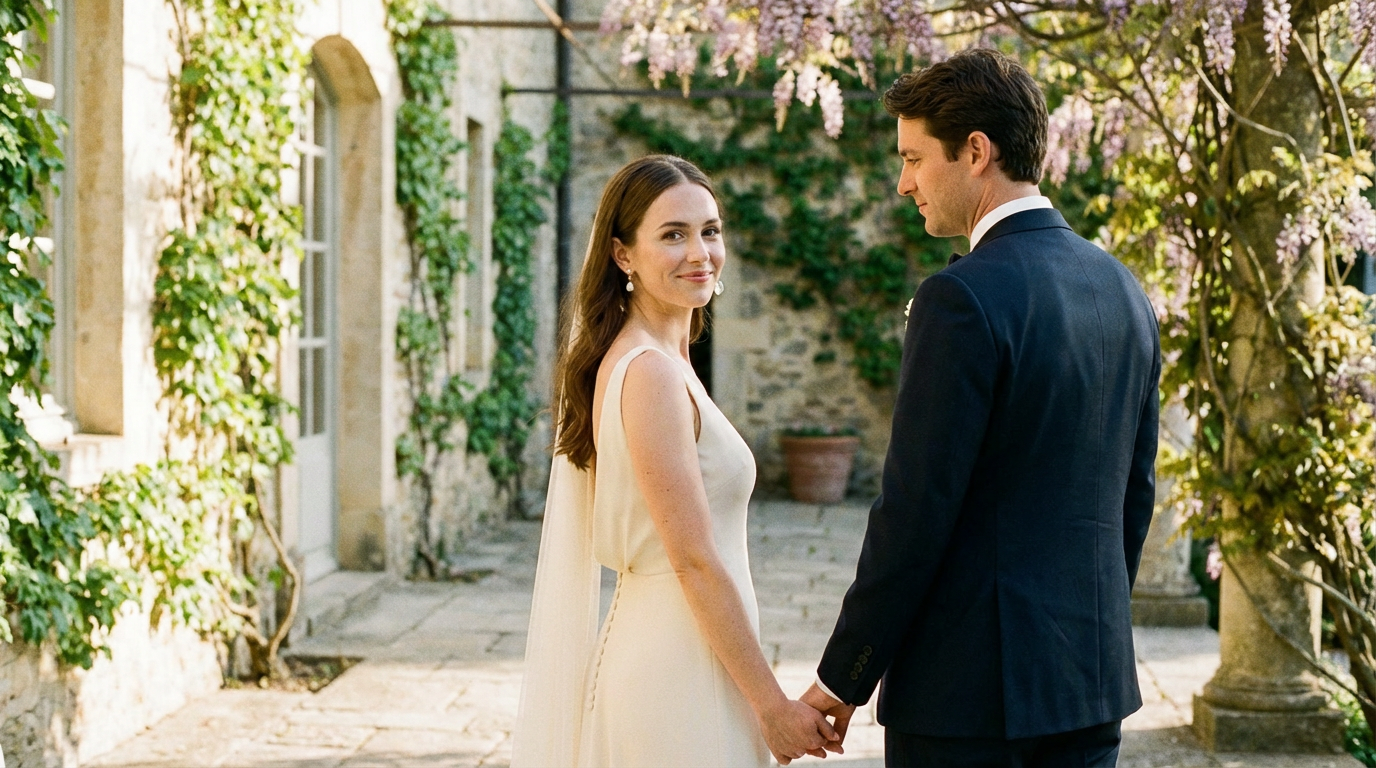
The story of bridalwear has always been a story of symbolism—and color is where that symbolism is changing fastest. For decades, white functioned as a visual shorthand for tradition. Today, the rise of colored wedding dresses reflects a different cultural reality: brides are styling themselves as individuals first, icons second. Fashion editors, stylists, and social media have accelerated this shift, normalizing nuanced palettes on the same level as silhouette and fabric. Color is no longer an exception; it’s an editorial choice with its own logic, mood, and message.
From Royal Traditions to Modern Individuality
White’s dominance was never purely “natural”—it was historically constructed through royal influence and later cemented by bridal marketing. What feels modern now is the reclaiming of choice. Brides are selecting tones that echo their personal aesthetic, their cultural references, even their sense of self in a room. A non-white bridal gown doesn’t reject bridal codes; it reframes them, turning tradition into a flexible language rather than a rulebook.
The Shift Toward Soft, Natural Tones
The pivot hasn’t gone straight from white to daring color. It has moved through softness first—ivory, nude, champagne—because these shades feel organic on skin and more dimensional in photos. They flatter without shouting, and they read as expensive because they mimic the nuance of luxury textiles rather than the flatness of optical white. This is where modern bridal colors become less “trend” and more refinement.
Ivory — The Timeless Luxury Shade
If one tone has quietly become the new bridal default, it’s ivory. An ivory wedding dress offers the dignity of tradition with a softer visual temperature—less stark, more cinematic. It harmonizes with complexions, elevates minimal silhouettes, and makes embellishment look more integrated rather than “placed on top.”
Understanding Ivory Undertones
Ivory is not a single color; it’s a spectrum of undertones that interacts differently with skin, lighting, and textile finish. Cooler ivories can feel crisp and editorial; warmer ivories glow under candlelight and read romantic without sweetness; balanced ivories sit in a neutral zone that adapts beautifully across environments. Undertone selection matters because it affects the entire mood—especially in satin, where light reflection can exaggerate warmth, or in crepe, where matte texture keeps the tone controlled.
Why Brides Prefer Ivory Over Pure White
Pure white can photograph harshly, creating high contrast that fights natural skin tones and often looks less “luxury” than expected. Ivory softens that contrast. It reads closer to fine couture lining, antique silk, or museum-grade textile tones—subtle shifts that make the gown feel layered, intentional, and calm.
Nude & Champagne Shades — Soft, Romantic, Universally Flattering
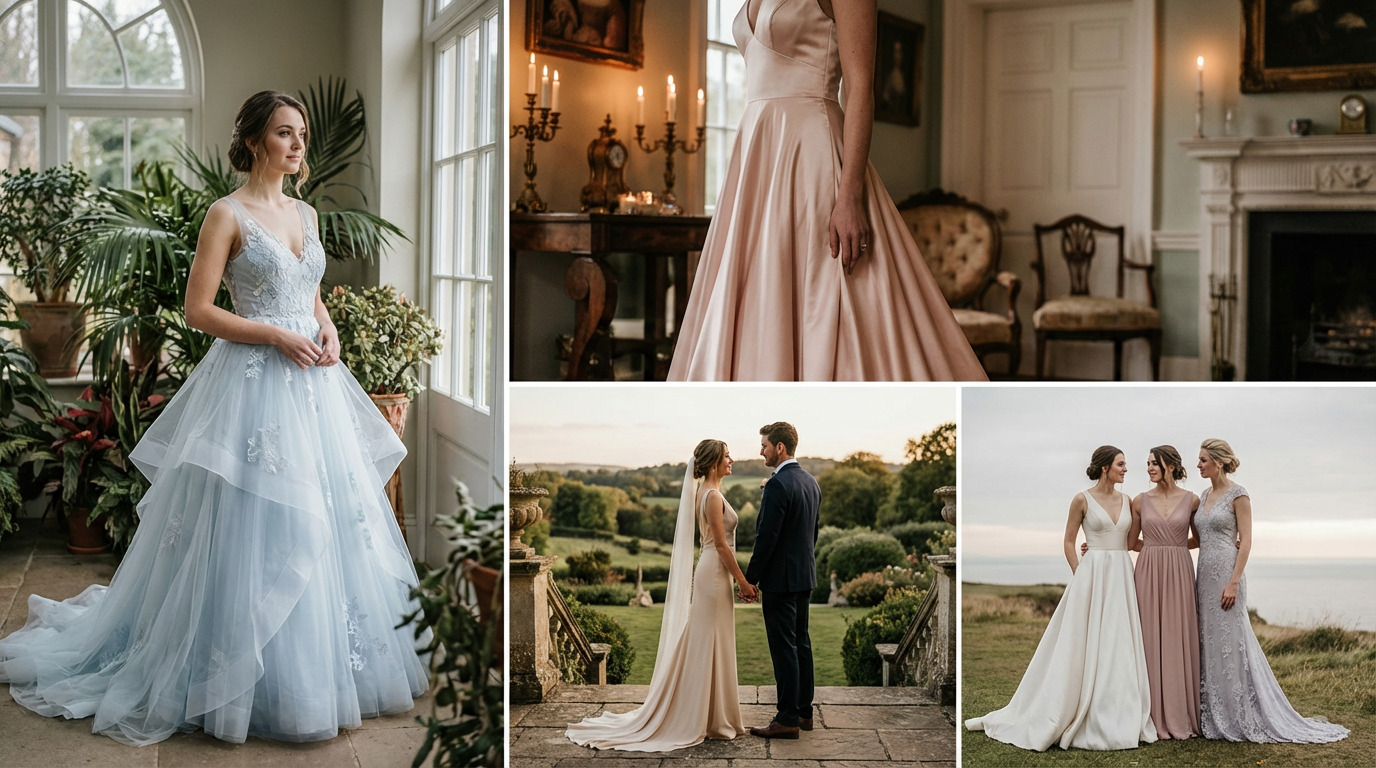
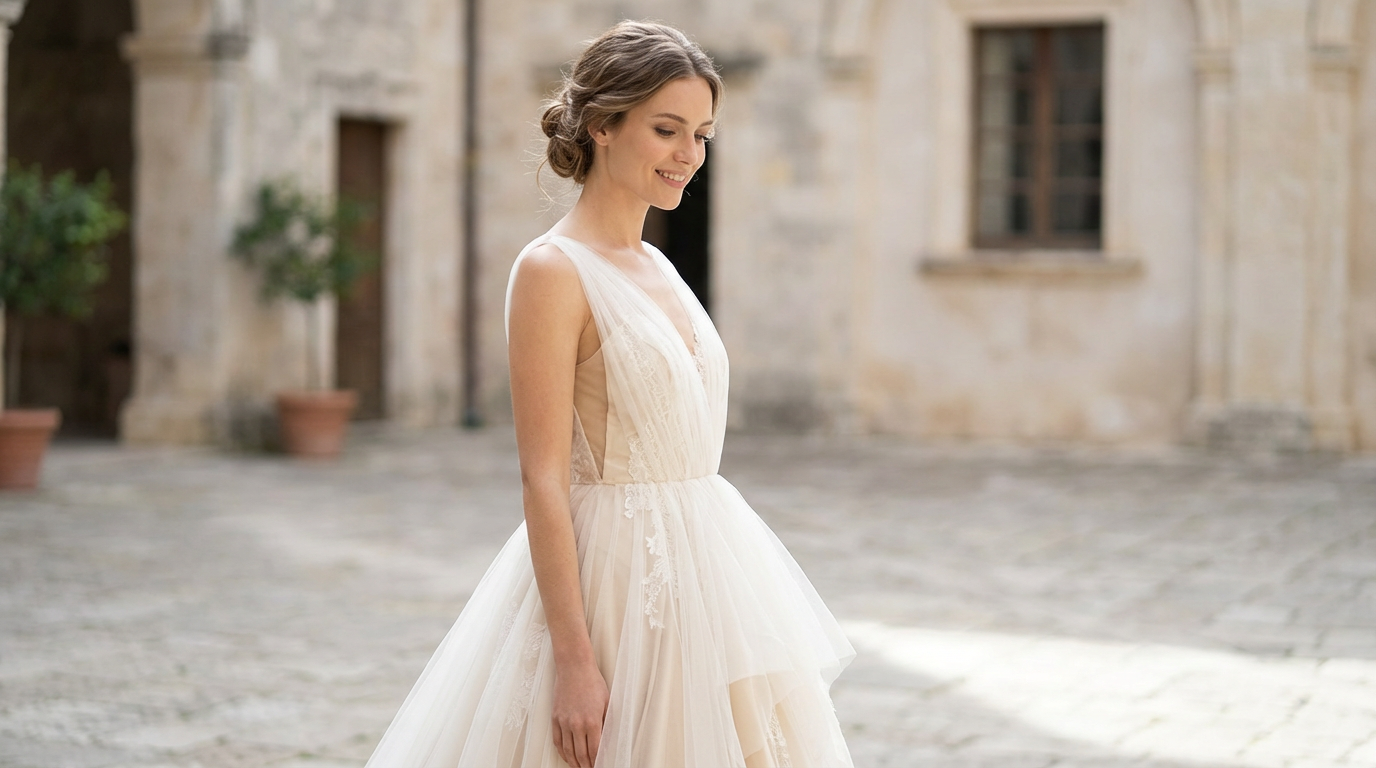
A nude wedding dress and a champagne bridal gown sit in the space where bridalwear looks most effortless: luminous, warm, and quietly sensual. These shades are especially compelling for indoor and evening weddings, where artificial light makes neutrals glow like skin—never costume, always polished.
Nude Shades That Work for Every Skin Tone
Nude is powerful precisely because it isn’t one shade. The best nude bridal tones are calibrated to undertones—peach, beige, sand, honey—so the dress feels like a continuation of the bride rather than a contrast against her. When done well, nude creates an illusion of weightlessness: lace looks more dimensional, tulle appears airier, and the overall silhouette feels soft-focus yet high-definition.
Champagne as the New Luxury Standard
Champagne thrives under warm lighting. It carries a golden undertone that reads sophisticated rather than “colored,” making it a natural gateway for brides who want something elevated but still classic. In layered fabrics, champagne becomes especially nuanced—one of those wedding dress shades that looks different from every angle, like fine jewelry that changes with movement.
Unconventional Couture Shades in Bridal Fashion
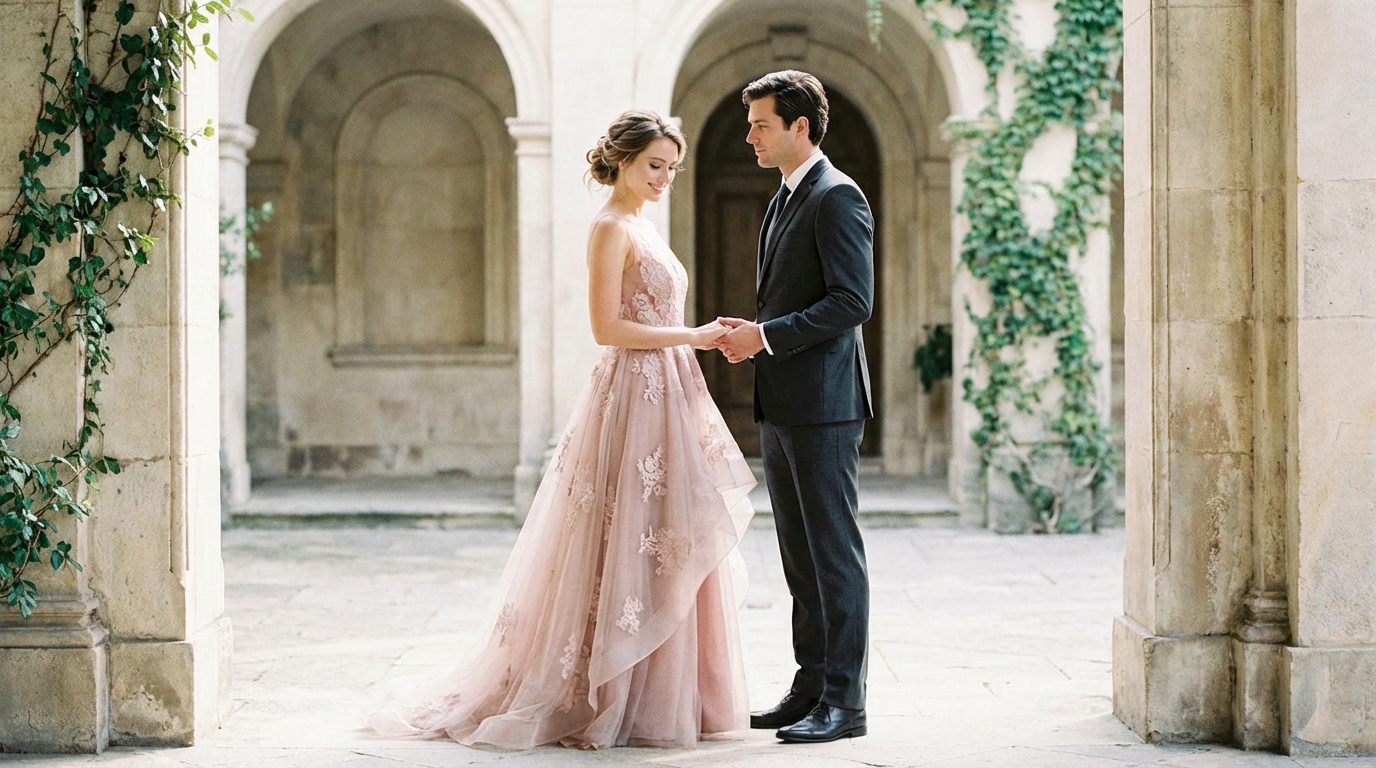
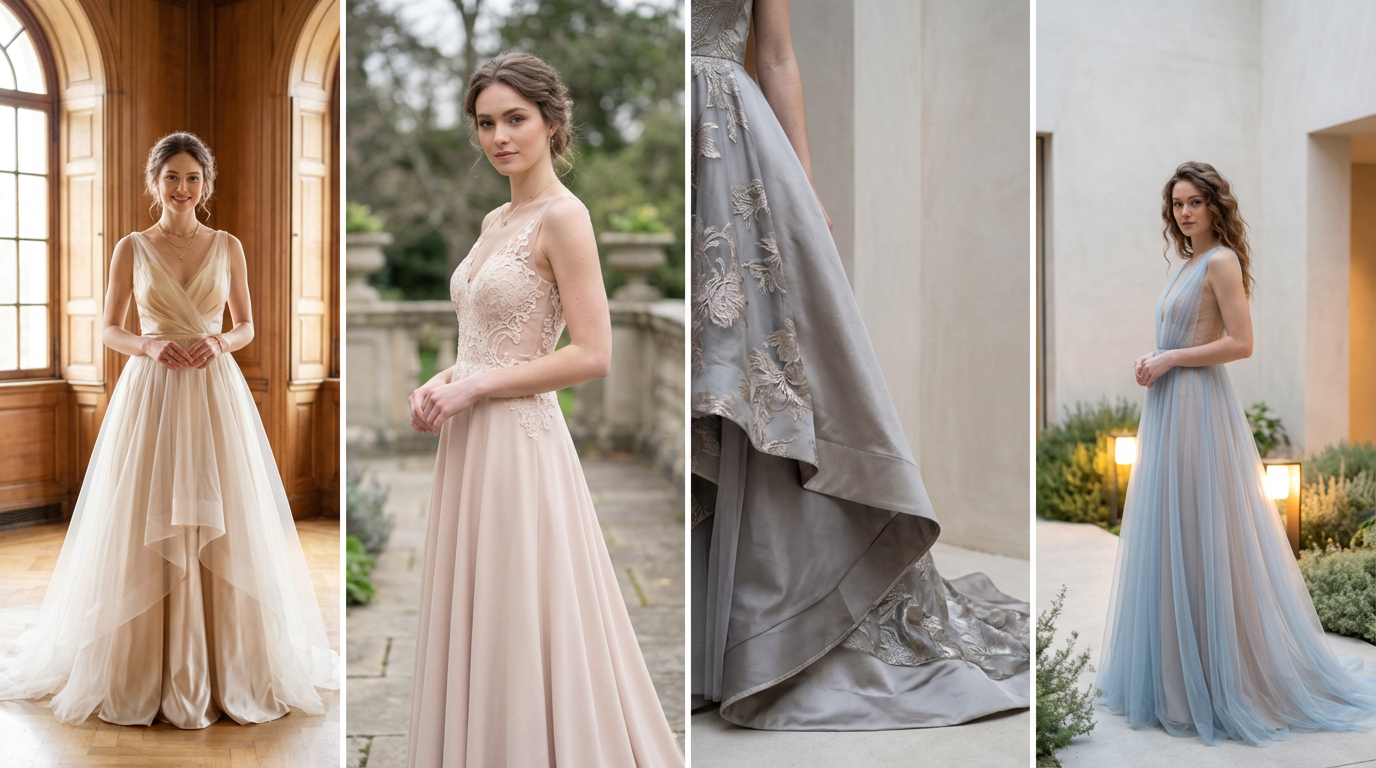
Once brides feel comfortable stepping away from white, the door opens to bolder fashion language. Unconventional wedding dress colors—silvered tones, smoky blues, whisper pastels, even metallic finishes—have moved from runway fantasy into real couture demand. The point isn’t provocation; it’s precision. Color becomes a design tool that sharpens the silhouette and defines the mood before a single detail is noticed.
Soft Pastels for Romantic Aesthetics
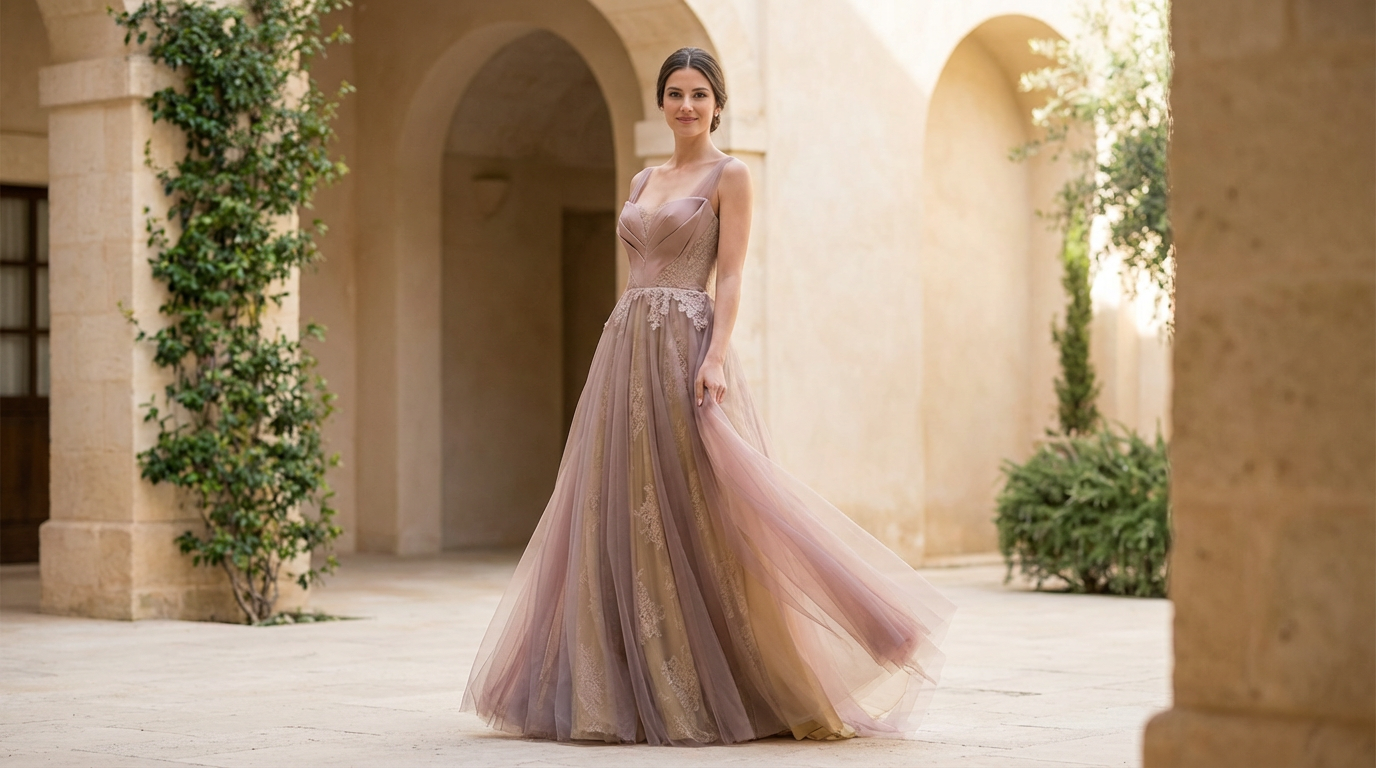
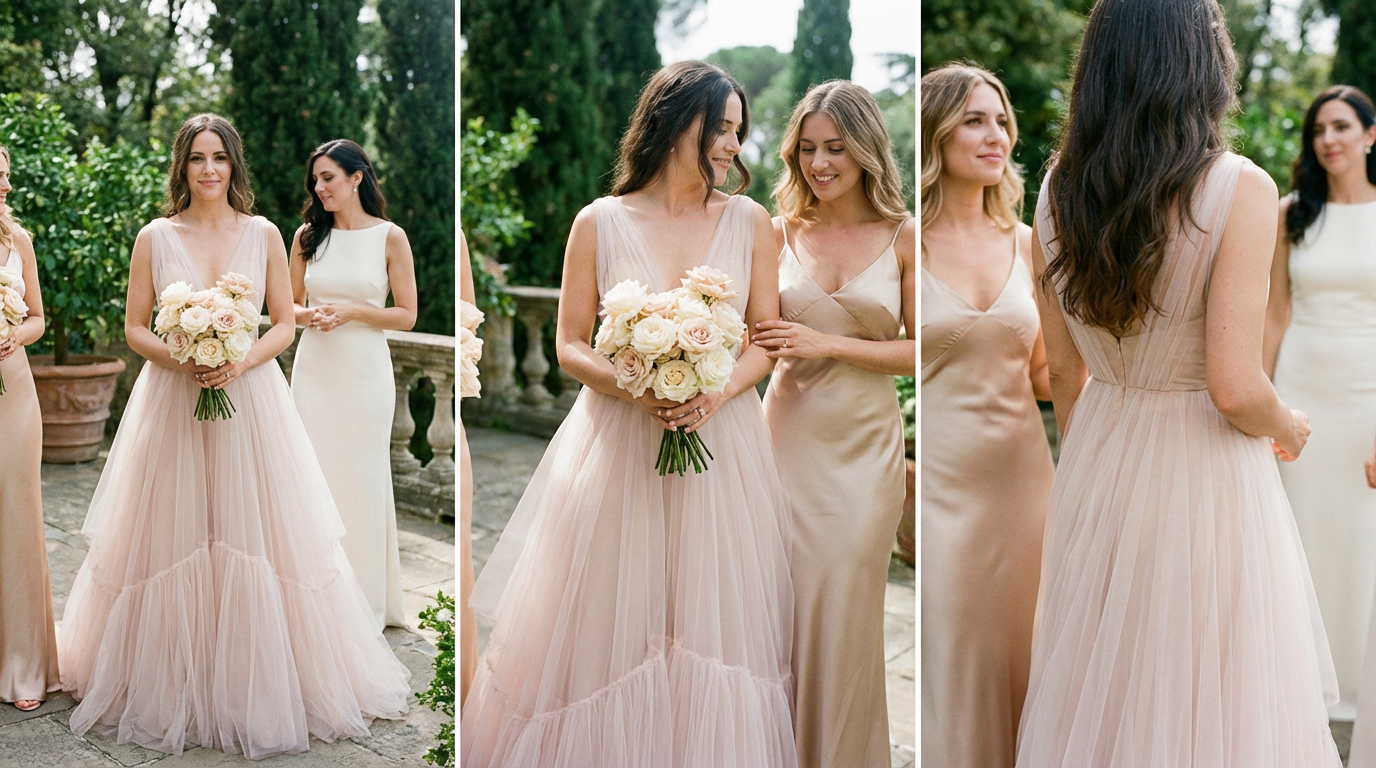
Pastels are the most wearable form of “non-traditional.” A blush wedding dress feels tender without being sugary; a pastel wedding dress in lavender or dusty rose reads like a watercolor interpretation of bridal. A gown such as Lavender embodies that modern romance—soft in tone, fashion in intention.
Bolder Couture Colors for Fashion-Forward Brides
Metallic and cool-toned gowns signal a sharper, more editorial sensibility. Silver can amplify structure; pale blue can feel serene and architectural; smoky shades can look almost cinematic. These tones often work best when the construction is clean—when the silhouette carries the statement and color simply intensifies it.
How Designers Work with Color Today
Designers rarely “dye a dress” in a simplistic way. Color in bridal is usually built through layers, linings, and textile behavior—because the goal is depth, not flat pigment. Alternative bridal fashion depends on nuance: the same shade can look airy in organza, dense in mikado, or liquid in satin.
Layering Techniques to Create Subtle Shades
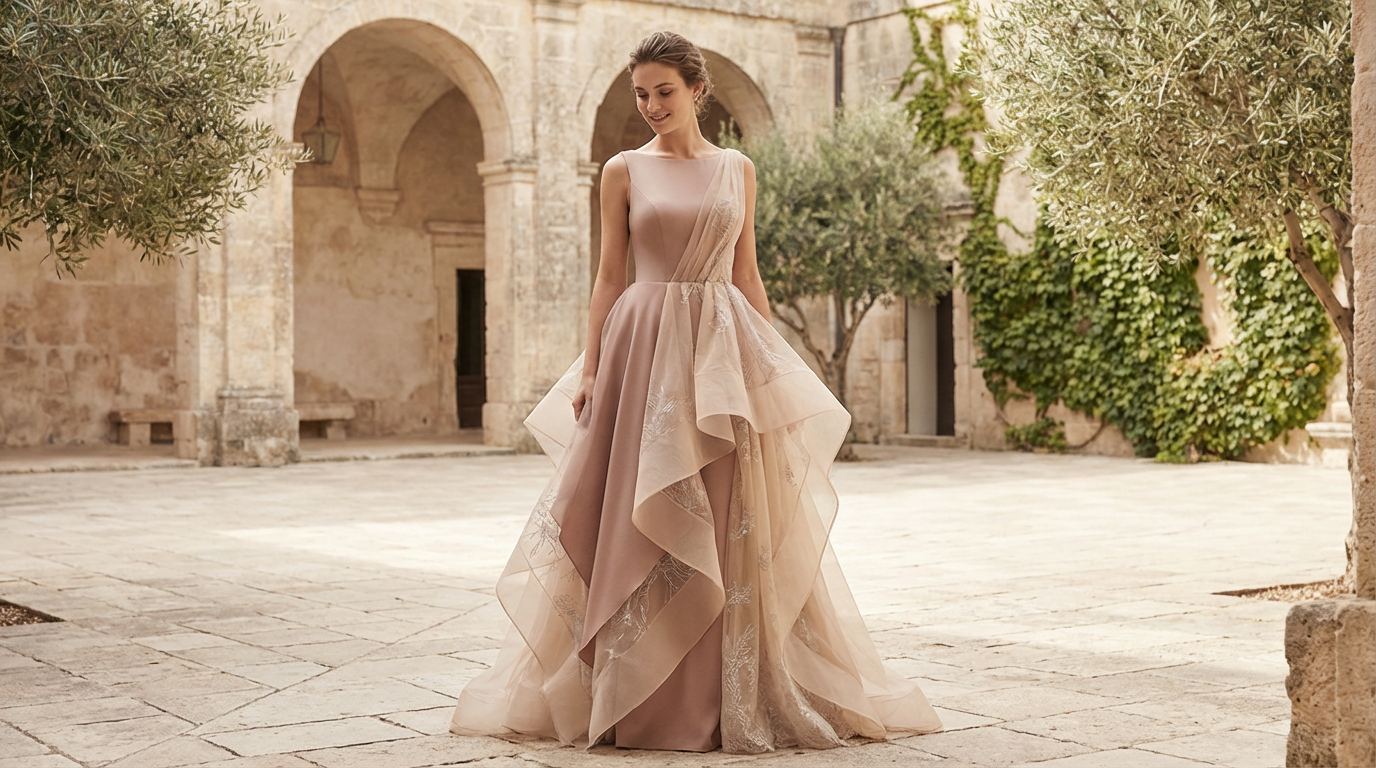
Tulle over nude lining, ivory over champagne base, blush under lace—layering creates complex undertones that feel couture. The eye reads the color as dimensional because it’s literally constructed in space. This is how designers achieve tones that look expensive: not a single note, but a chord.
How Fabric Type Affects Color Perception
Fabric is a filter. Crepe absorbs light and keeps color strict; satin reflects and amplifies warmth; mikado holds both pigment and shape with clarity. Understanding this relationship is essential: the “same” ivory can look cool in matte crepe and golden in satin, especially under indoor lighting.
How Brides Can Choose the Perfect Shade
Choosing color is not just preference—it’s strategy. The right shade should enhance skin, flatter in the intended lighting, and feel coherent with the atmosphere of the venue. When those factors align, color stops being “a bold choice” and becomes the most natural decision.
Consider Your Skin Undertone
Undertone matching is the quiet secret of why one dress looks radiant on a bride and another looks “separate” from her. Warm undertones often glow in champagne and warm ivory; cooler undertones can look striking in clean ivories and silvered pastels; neutral undertones have the widest range, but still benefit from testing fabrics under realistic light.
How Lighting Changes the Color of a Dress
Daylight reveals true undertone; candlelight warms everything; LEDs can push fabric cooler. That’s why a fitting should include multiple lighting conditions—or at least a mental plan for how the gown will live in photos from morning to night.
Venue Influence on Color Choice
Color should echo setting. A warm neutral looks extraordinary in classic interiors; metallics feel at home in modern architecture; pastels sing in airy, natural environments. Even a destination like Bremblens, Switzerland suggests a certain palette—soft tones that harmonize with landscape and light.
Why Color Has Become a Modern Form of Self-Expression
Color is no longer a deviation from bridal identity—it’s part of it. Brides are choosing shades the way they choose silhouettes: as an expression of taste, personality, and the version of themselves they want to remember.
Color as Identity
Some brides want purity softened, not erased—hence ivory and nude. Others want a fashion signature—hence blush, lavender, or metallic nuance. Color turns the dress into a portrait: not just “bridal,” but this bride.
Emotional and Symbolic Meanings of Shades
Nude often communicates tenderness and intimacy; champagne suggests mature elegance; pastel blue can feel serene and modern. These meanings aren’t rigid, but they’re emotionally legible—and that’s why color resonates so strongly now: it tells a story without needing explanation.
Conclusion
The rise of modern bridal colors proves that bridalwear is evolving toward authorship. Whether a bride chooses an ivory wedding dress, a nude wedding dress, or embraces unconventional wedding dress colors, the decision is increasingly driven by aesthetics, light, and self-expression—not obligation. A collection like the Sky Collection reflects how designers build this new palette into couture storytelling, while a boutique such as White House Bridal represents the final, essential step: translating fashion nuance into a shade that feels unmistakably personal.