Wedding Accessories That Transform Your Look: Capes, Boleros, Belts, and Veils
The Power of Accessories in Bridal Transformation
In contemporary bridal, wedding accessories that transform are no longer an afterthought—they’re a styling philosophy. The modern bride increasingly wants one dress to hold multiple moods: ceremonial gravitas for the aisle, lighter confidence for dinner, and effortless ease for dancing. Accessories create that versatility without rewriting the gown’s identity. They refine proportion, shift focus, and change the emotional temperature of the look, allowing a single silhouette to read classic, fashion-forward, romantic, or architectural—sometimes within the same hour.
Why Modern Brides Embrace Versatile Styling
The multi-act wedding day has become the new standard, especially in destination timelines and long-format celebrations where one static look can feel visually “finished” too early. Wedding accessories offer a controlled evolution: you can build drama for the entrance, then edit it away as the day becomes more intimate. This is the quiet intelligence behind versatile bridal styling—not maximalism, but pacing. A bridal cape removed after vows or a veil lifted before cocktails turns styling into narrative, not just decoration.
How Accessories Alter Dress Proportions and Mood
Accessories work like optical architecture. A cape elongates the frame with a vertical sweep; a belt redraws the waistline and breaks volume into deliberate proportions; a veil softens the outline with atmosphere and heightens the sense of ritual. The same gown can look sharper, softer, more regal, or more minimal simply through changes in line and movement. That is the essence of a wedding dress transformation: you’re not “adding things,” you’re changing the geometry of how the dress reads.
Bridal Capes — Drama, Movement, and Royal Presence
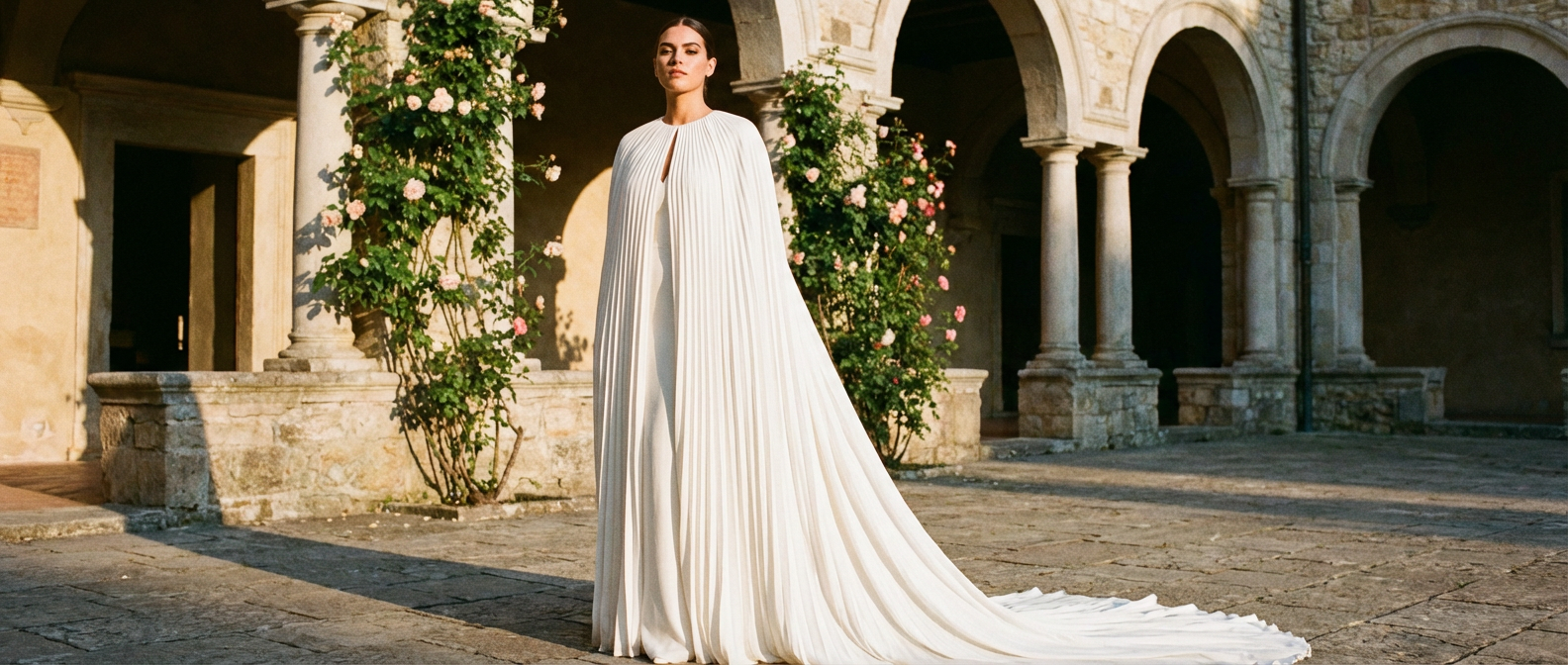
The bridal cape is the most editorial of transformative pieces because it creates movement without requiring heavy embellishment. It frames the bride from behind like a runway finish, adding cinematic presence and a sense of arrival. Unlike a traditional topper, a cape doesn’t sit “on” the dress—it extends it, turning the silhouette into something longer, more architectural, and unmistakably couture.
The Architectural Impact of a Wedding Cape
A cape changes the gown’s footprint. Floor-length versions create a cathedral-like extension that reads royal and sculptural, while shorter capes sharpen the shoulder line and add modern structure. Sheer overlays in organza or tulle introduce a floating layer of light, making the look feel airy yet powerful. This is why capes are central to couture bridal accessories: they deliver drama through proportion rather than sparkle.
When and How to Wear a Bridal Cape
The most elegant way to wear a cape is as a timed statement. It can crown the ceremony and portraits—when the day is most symbolic—then be removed for the reception so the dress returns to its purest, most wearable form. That ceremony-to-reception shift is precisely why capes feel so modern: they honor tradition’s sense of occasion while supporting today’s desire for comfort and mobility.
Fabric Choices and Their Visual Effect
Fabric determines whether a cape feels sculptural or ethereal. Mikado creates a crisp, architectural fall with strong edges; soft tulle produces a halo-like softness that moves with air; satin introduces reflective glamour that comes alive under evening light. The most refined styling either harmonizes the cape’s fabric with the gown for seamless continuity—or contrasts deliberately, so the layer reads as a design decision.
Boleros and Jackets — Structure, Coverage, and Timeless Elegance
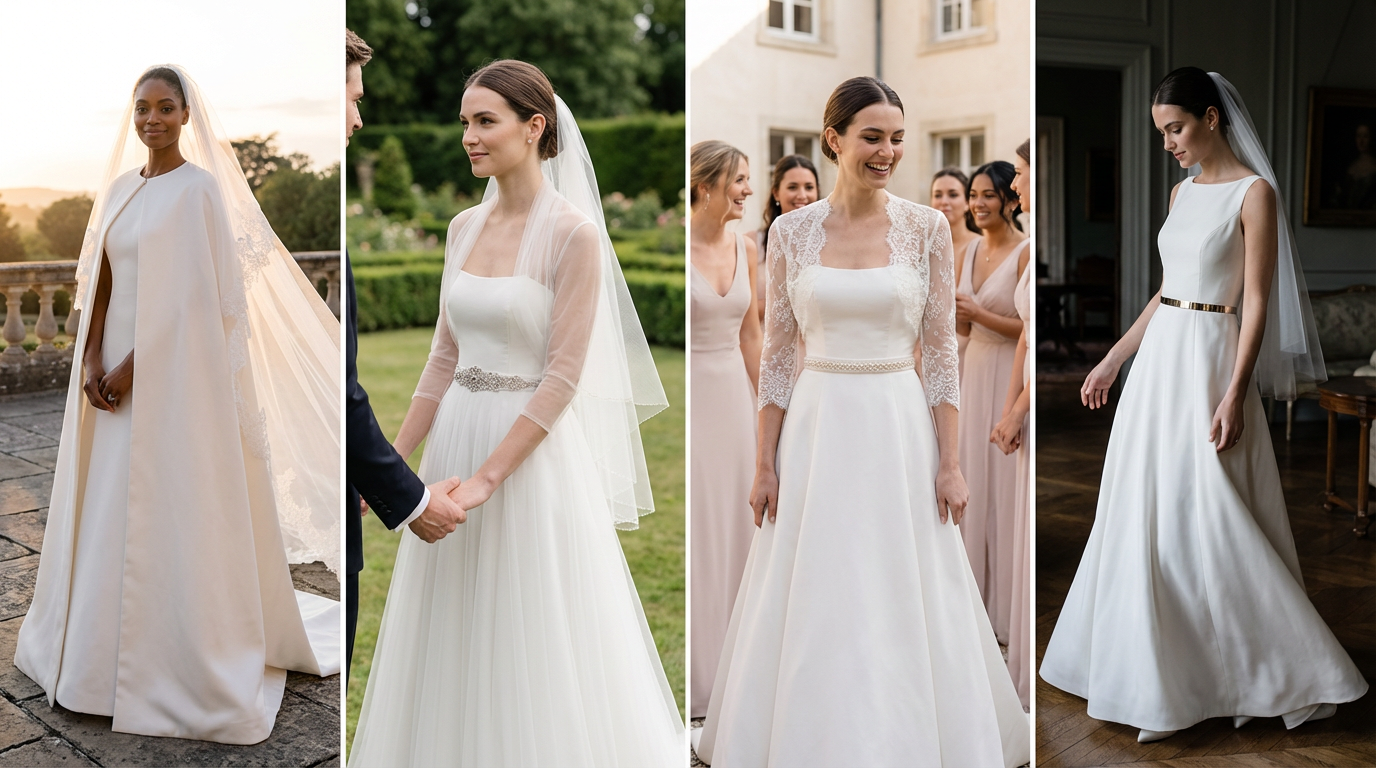
The wedding bolero is transformation in a quieter register. It adds coverage without visual heaviness and can instantly shift a gown from modern minimal to classic formal, from open to refined, from reception-ready to ceremony-appropriate. In a world where brides want adaptability without costume-like changes, boleros and jackets offer the most controlled form of layering.
The Versatility of Bridal Boleros
A bolero can be romantic in lace, sheer in tulle, or sharply tailored in a structured fabric that echoes contemporary fashion. It changes not only the neckline but the perceived formality of the entire look. This is where bridal styling accessories become strategic: a bolero can satisfy religious or traditional ceremony requirements, then disappear afterward so the dress feels lighter, freer, and more evening-like.
Creating a Two-in-One Bridal Look
Boleros create one of the cleanest two-in-one transformations because the shift is immediate and legible. The “covered” version reads ceremonial—composed, elevated, classic—while the second act reveals the gown’s original architecture. A sleek silhouette like Aurelia becomes an ideal canvas for this approach, because structured simplicity welcomes styling layers without looking crowded.
Pairing Boleros with Different Dress Styles
With minimalist gowns, a lace bolero introduces texture and romance without changing the underlying line. With already embellished dresses, a sheer or clean bolero keeps the balance, adding coverage without competing with embroidery. With voluminous skirts, a cropped bolero emphasizes the waist and refines proportion—proof that layering is fundamentally about silhouette control, not just warmth.
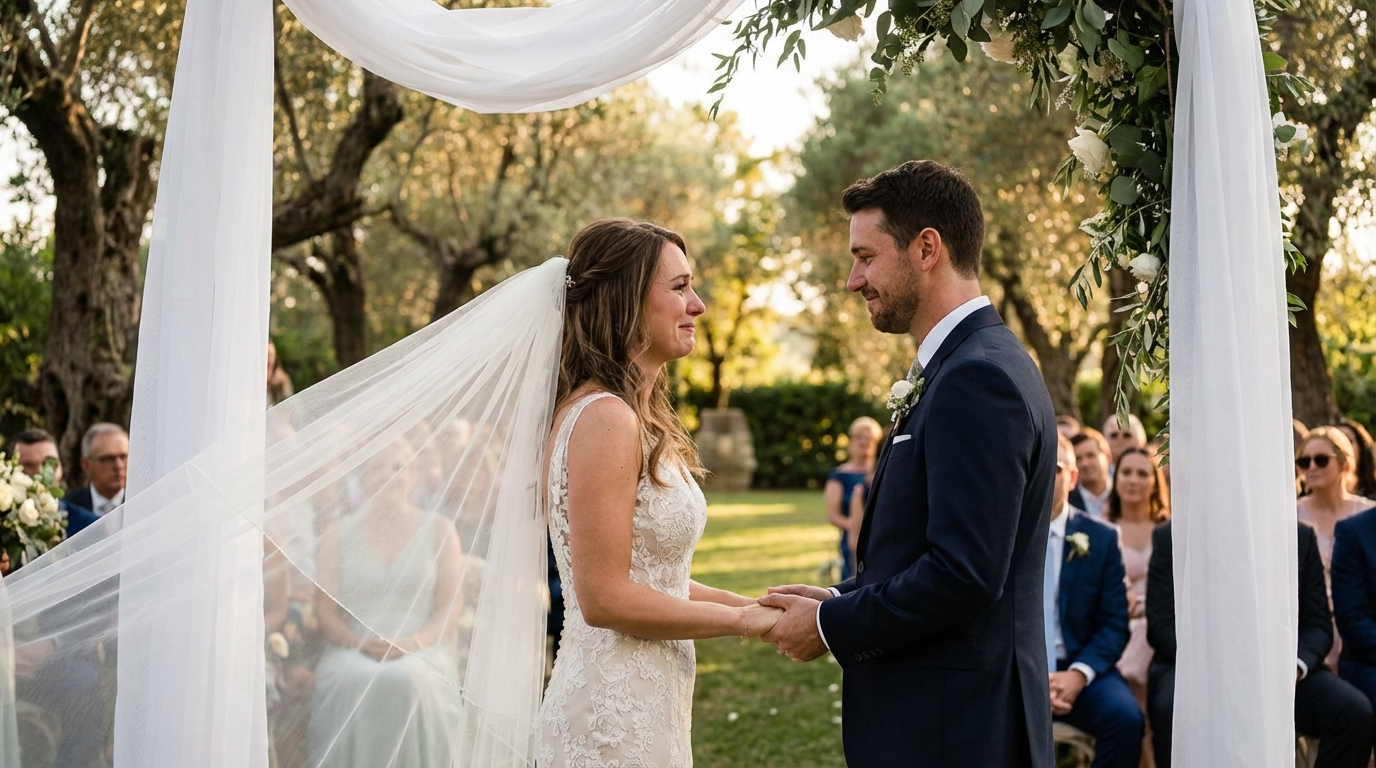
Bridal Belts — Defining the Waist and Adding Sparkle
A bridal belt is the most precise accessory because it edits the body’s proportions with a single line. It can sharpen a waist on a column gown, break up volume on a ball skirt, or introduce a subtle point of light to a minimalist silhouette. In the language of accessory design, belts are not decoration first—they are tailoring.
How Belts Alter Dress Silhouettes
Placement is everything. A belt at the natural waist creates classic balance; a slightly raised belt visually lengthens the leg line; a lower placement can soften a long torso. This is couture logic applied through styling: you’re re-sculpting the dress’s relationship to the body without altering the garment itself. The best belts look integrated—like a seam that happens to sparkle—rather than an add-on.
Crystal, Pearl, and Fabric Belt Styles
Crystal belts create controlled glamour, especially under evening lighting where reflective points read like jewelry for the waist. Pearl strands feel romantic and softly traditional, while fabric sashes can make a look feel editorial and intentional rather than “accessorized.” Metallic belts—thin, architectural—can modernize even a romantic dress by introducing a sharp line of contrast.
Choosing the Right Belt Width and Placement
Width determines whether the belt whispers or declares. A thin belt is definition; a wide belt is a statement with fashion authority. The key is coherence: the belt must echo something already present—neckline geometry, fabric sheen, the dress’s structure—so it reads like an extension of the gown’s design language.
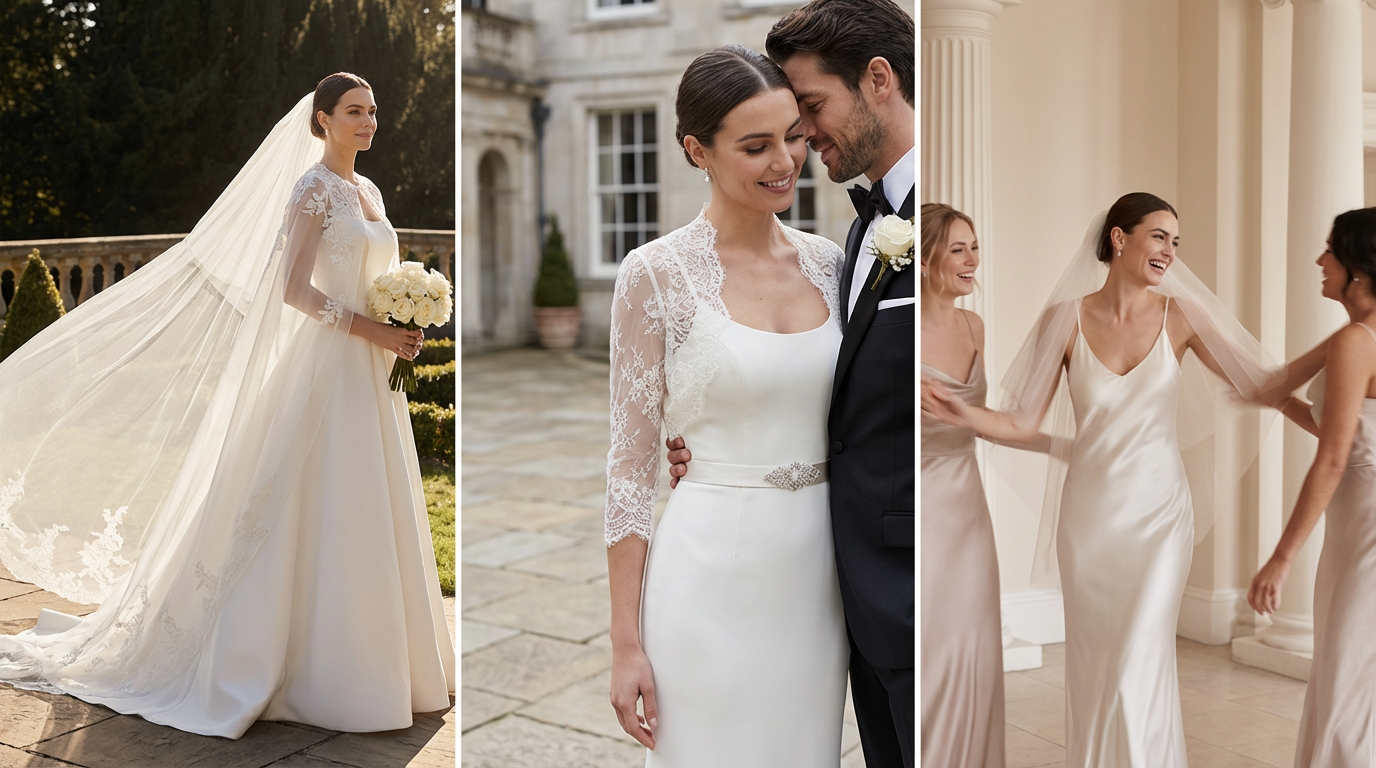
Veils — The Ultimate Symbol of Bridal Mystique
The wedding veil remains the most emotionally charged accessory because it changes not only the silhouette, but the atmosphere around it. A veil creates distance and softness, framing the bride in tradition while still allowing modern interpretation. It is less about coverage and more about aura—mystique, romance, ceremony.
Cathedral, Chapel, and Fingertip — Length as Drama
Length sets the volume of the moment. Cathedral veils demand space and create the most cinematic entrance; chapel lengths feel elegant without overwhelming the dress; fingertip veils offer modern ease and clarity. The veil’s scale should mirror the venue’s scale—because drama is always relative to the room.
Tulle, Silk, and Lace — Material Choices
Soft tulle reads like a cloud—diffused, weightless, dreamlike. Silk tulle adds a subtle glow that feels expensive and photographs beautifully. Lace-edged veils introduce romantic detail, while plain veils emphasize clean lines and allow the gown to remain the focal point. Material choice is about whether you want the veil to speak loudly or simply soften the air.
Veils as Ceremony-Only Accessories
Veils are naturally designed for transformation. Removing the veil after the ceremony often feels symbolic—a shift from ritual to celebration—and it creates a visible styling “chapter break” without changing the dress. In a multi-act bridal look, this is one of the most elegant transitions you can plan.
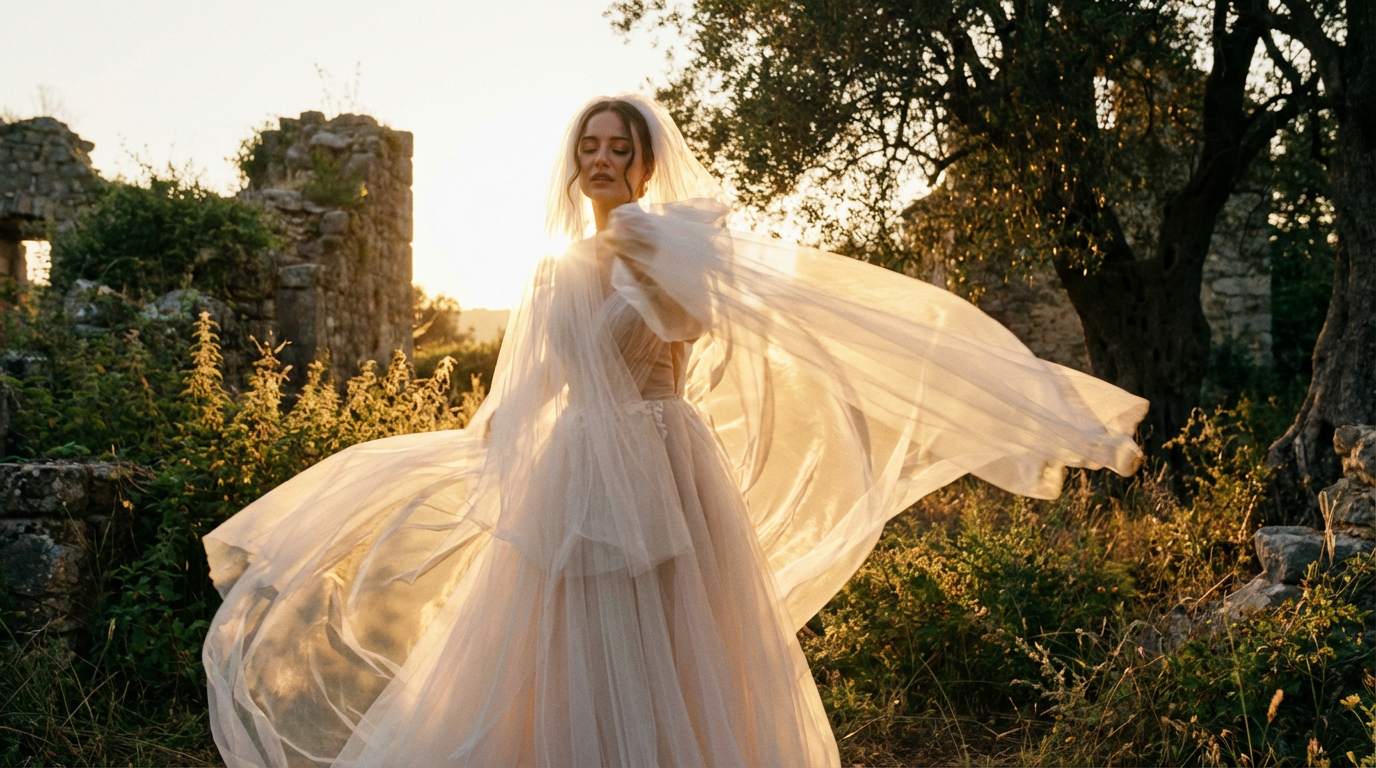
Layering Accessories for Multi-Dimensional Styling
Layering is the couture version of styling: deliberate, balanced, and never accidental. The goal of a layered bridal look is to build depth without visual noise, so each piece feels like part of a composed fashion image rather than a collection of items.
Cape and Veil — Creating Maximum Drama
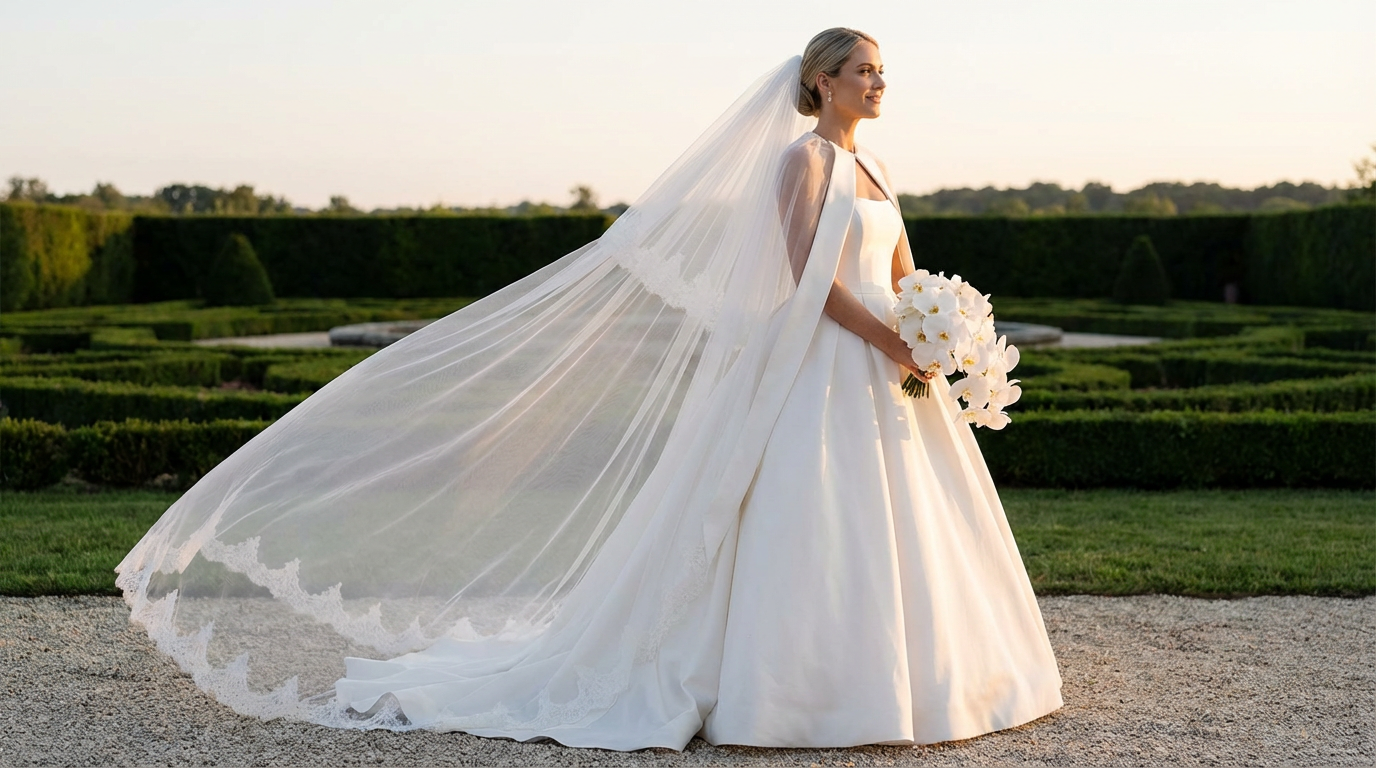
Layering a cape and veil creates a double movement effect—two translucent planes catching light differently as the bride walks. When lengths are chosen with intention, the result feels cinematic and almost architectural: the silhouette gains verticality, texture, and presence that photographs like high fashion.
Bolero, Belt, and Veil — Classic Layering
This trio offers structured elegance: the bolero refines the neckline and adds formality, the belt defines the waistline, and the veil completes the ceremonial vertical line. When the materials are coherent—sheen with sheen, matte with matte—the look reads classic and expensive rather than busy.
Knowing When to Add or Remove
The most modern styling strategy is not “more,” but timing. Build the fullest look for the ceremony and first portraits, then remove layers as the day becomes more intimate. This approach turns accessories into choreography—an intentional evolution rather than a static outfit.
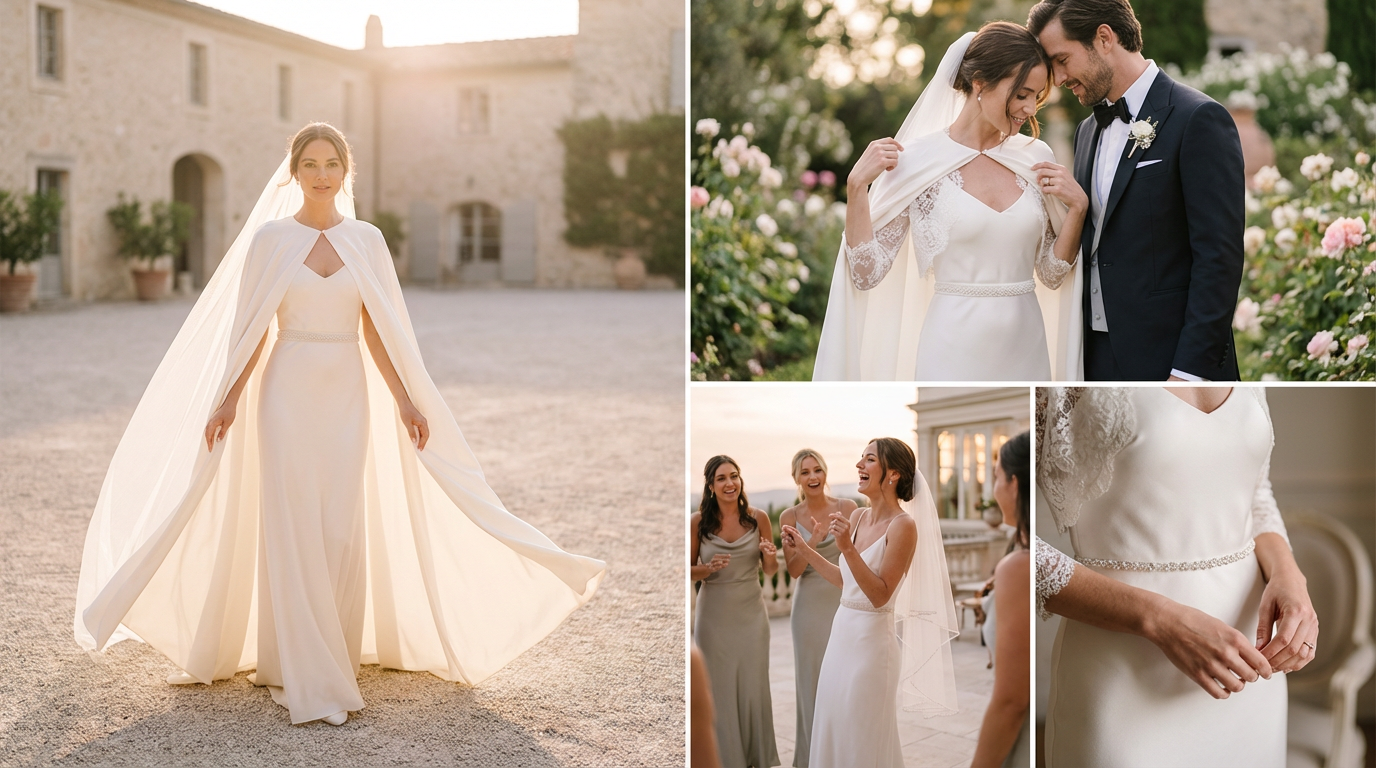
How Accessories Work with Different Dress Styles
Accessories should either amplify what the dress already says or introduce one precise contrast. Minimal gowns welcome statement pieces; embellished gowns need restraint; structured gowns pair best with architectural layers that echo their clarity.
Accessorizing Minimalist Gowns
Minimalism becomes couture when accessories provide scale and drama. A cape can turn a simple column into a runway statement; a crystal belt can add light without disrupting the line; a voluminous veil can introduce romance as a counterpoint to clean-line clarity.
Enhancing Already Embellished Dresses
When a gown already carries texture and sparkle, accessories should behave like editing, not competition. A sheer veil keeps the silhouette soft; a delicate bolero adds coverage without overwhelming the surface; a thin belt can define the waist without interrupting embroidery rhythm.
Balancing Proportions with Strategic Accessories
Accessories can correct proportion visually: a cape elongates petite frames, a belt creates definition on straighter silhouettes, and a shorter veil can balance a voluminous skirt. This is where styling becomes expert-level—an art of line, not trend.
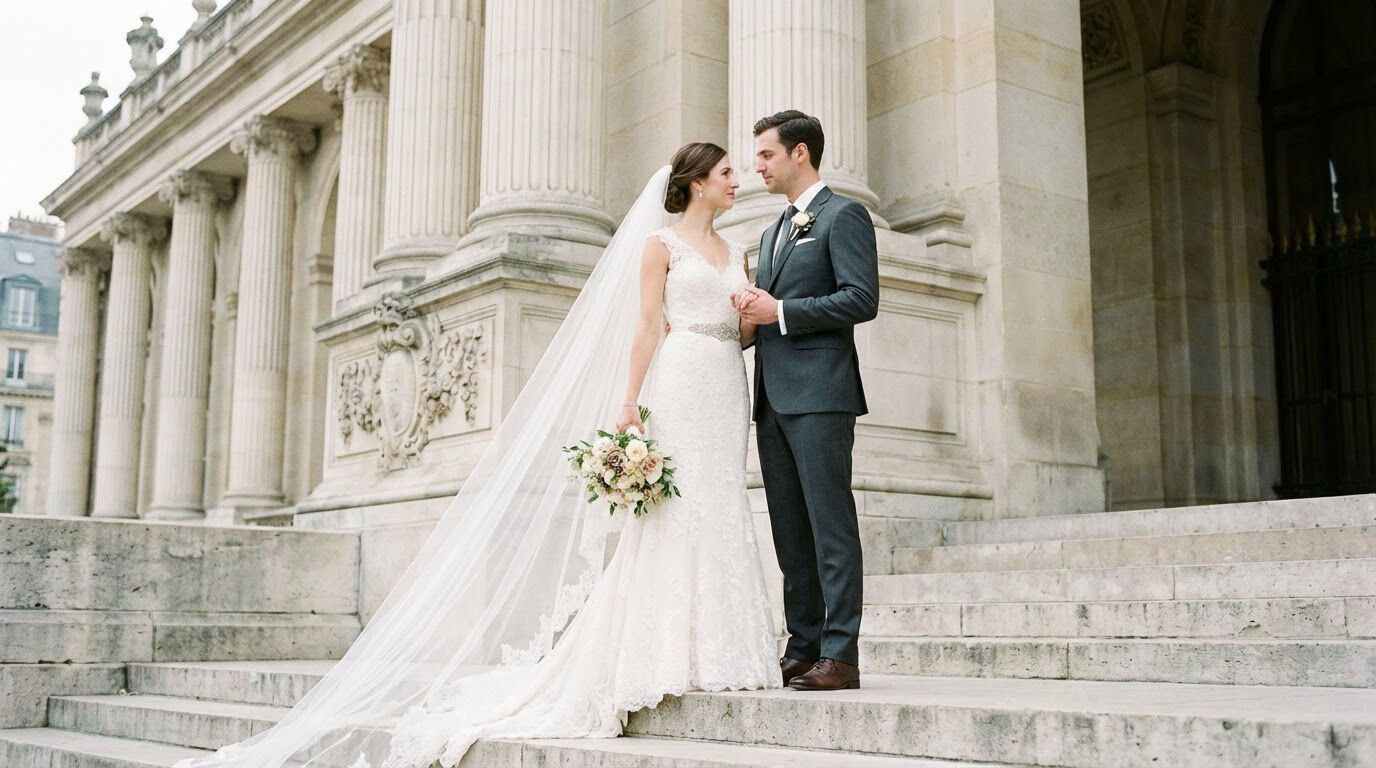
The Emotional Journey of Accessory Transformation
Transformation is not only visual; it’s emotional. Adding layers can feel like stepping into ceremony, into symbolism, into “bride.” Removing them can feel like release—lighter, freer, more present in the celebration rather than the ritual.
The Ceremonial Weight of Full Styling
The fully styled moment—cape, veil, belt—creates an iconic bridal image with a sense of gravity. It’s the look that lives in memory and photographs as the beginning, where every element contributes to a feeling of significance.
The Liberation of Shedding Layers
As layers come off, the bride often feels physically and emotionally lighter. That shift is part of the day’s narrative: from formal beauty to joyful movement, from ceremony to reception. Styling becomes storytelling through subtraction.
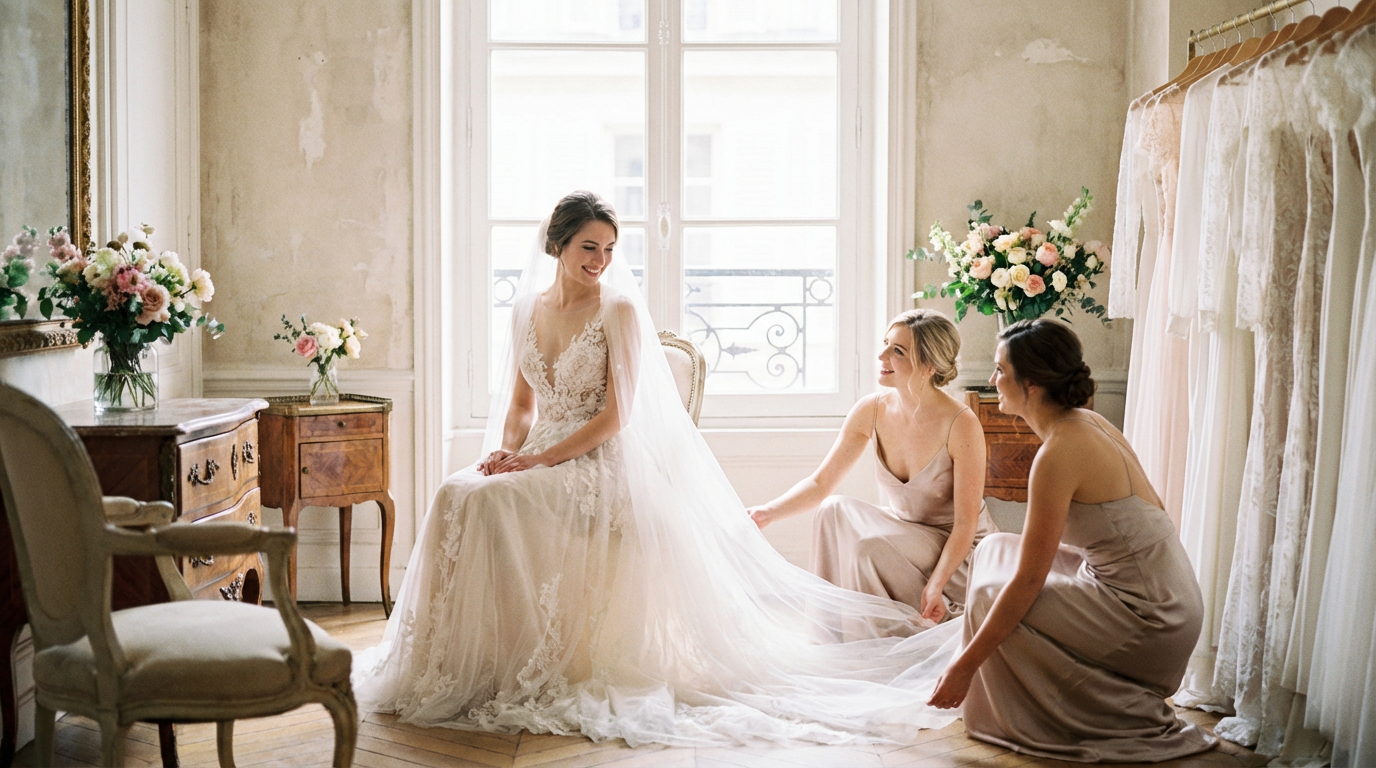
Choosing Accessories That Reflect Your Personal Style
The most powerful accessories are those that align with identity. Romantic brides gravitate toward softness and lace; modern brides toward clean architecture; dramatic brides toward scale and movement. Accessories should never contradict the bride’s internal vision—they should sharpen it.
Understanding Your Bridal Aesthetic
Before choosing accessories, name the aesthetic you want to inhabit: modern minimal, couture romance, regal drama, or refined classicism. That clarity prevents over-layering and ensures each addition feels intentional, not impulsive.
Working with Stylists to Create Cohesive Looks
A professional stylist sees proportion the way a designer does: where the waist should sit, how layers interact, and what the camera will “read” first. If you’re building a transformative accessory plan for a multi-act celebration—especially in a destination context like Frisco, Texas—a curated salon experience such as Karoza Bridal Inc can help align dress architecture with accessory strategy so the transformation feels seamless, not staged.
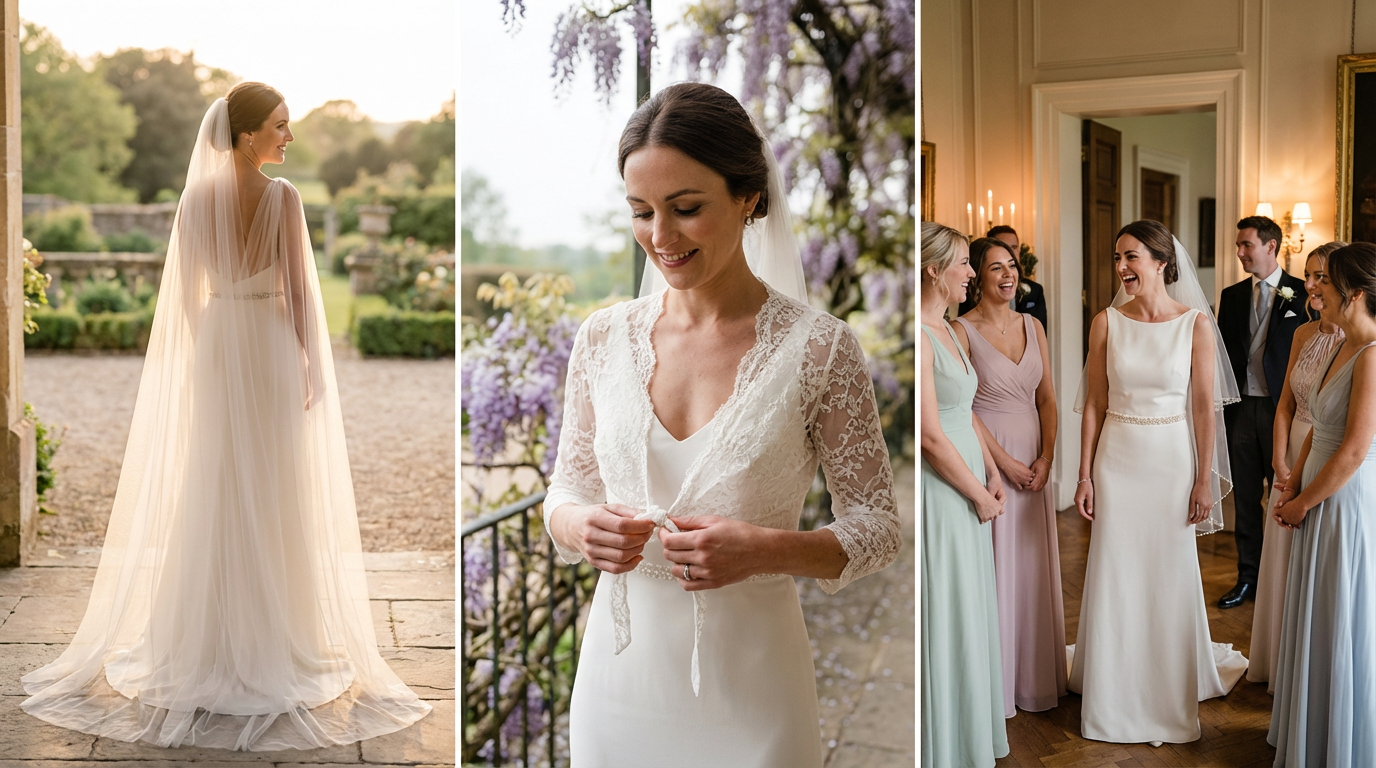
Conclusion
The most modern bridal styling is not about accumulating details—it’s about designing evolution. Capes, boleros, belts, and veils are the tools of that evolution: they shift proportion, alter mood, and create a multi-dimensional narrative from one dress. In the world of wedding accessories that transform, the smartest approach is couture-minded layering—drama with restraint, tradition with modernity, statement with clarity. A collection such as Viero Spring 2024 reflects this contemporary logic: bridal looks conceived not as a single image, but as a sequence of beautifully edited moments.